
The Psychology of Jury Decision-Making: What Litigators Need to Know
Most trial attorneys prepare for the case they built — not the case their jury will experience. That gap is where verdicts are won and lost. Understanding the psychology of jury decision-making is no longer optional for serious litigators. It is the foundation of a winning trial strategy.
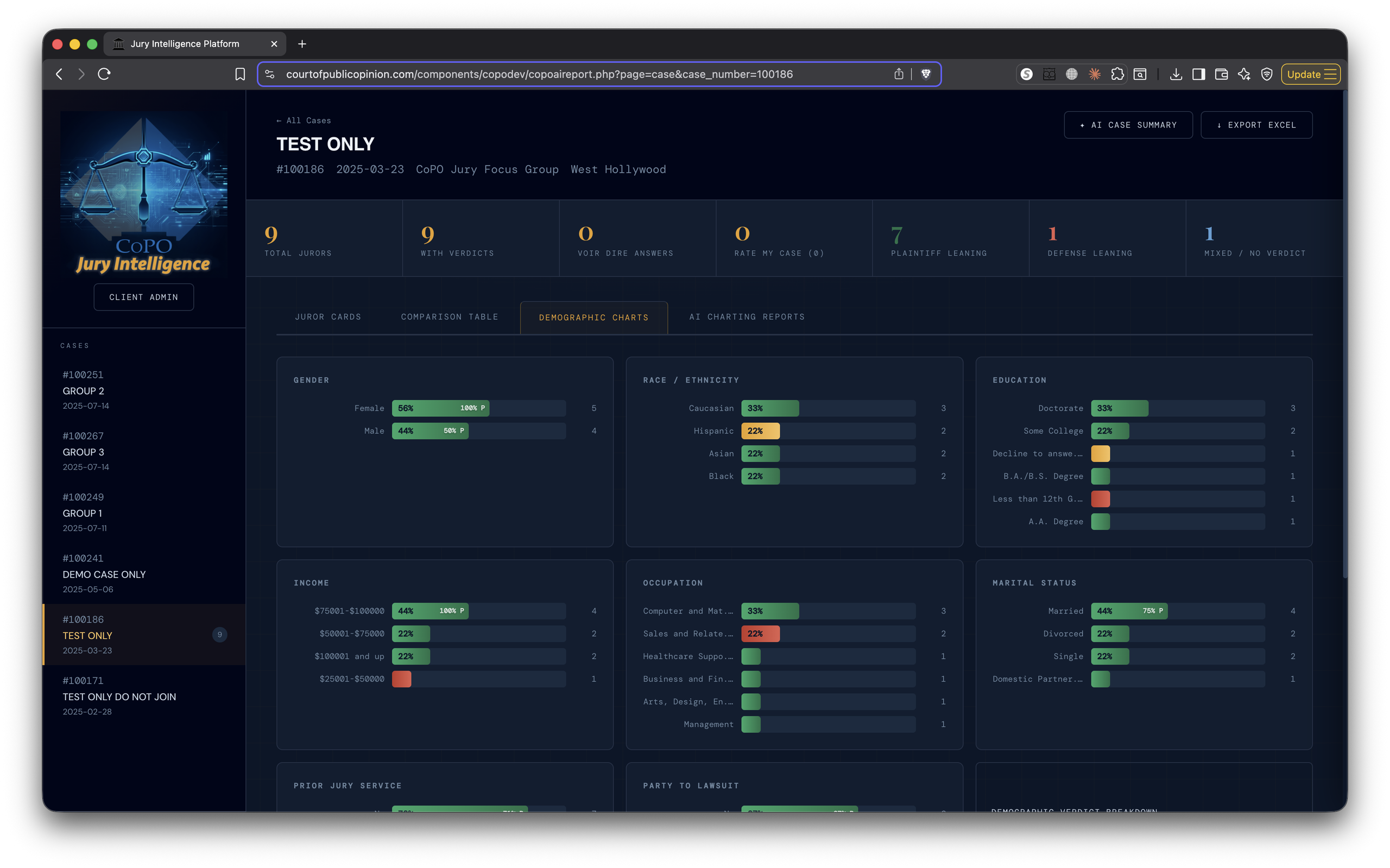
Mock jury testing gives attorneys a rare window into how real people process evidence, evaluate witness credibility, and construct narratives during deliberation, long before the trial begins. What you learn in that room reshapes everything.
How Jurors Actually Make Decisions
Research consistently shows that jurors do not reason like attorneys. They do not evaluate evidence sequentially and apply legal standards to reach a verdict. Instead, they construct a story — a narrative that makes sense of the evidence and then select the verdict that best fits that story.
This “Story Model” of juror decision-making, documented in jury research literature, means that your case framing matters more than your evidence list. A plaintiff’s attorney who presents technically complete evidence but fails to tell a compelling story will consistently underperform against a defense that tells a simple, coherent one.
Jury perception is shaped in the first 90 minutes of trial, often before your most important evidence is even introduced. That is why pre-trial research and early case testing are not luxuries. They are necessities.
The Closing Argument Perception Gap
One of the most well-documented problems in trial practice is what researchers call the “closing argument perception gap.” A trial attorney delivers a closing that is legally airtight, logically sequenced, and rhetorically polished. But jurors experience it differently — filtered through biases, preexisting beliefs, and emotional reactions formed days earlier.
The difference between what the trial team believes it is communicating and what jurors actually absorb is not a communication failure. It is a jury perception problem — one that mock jury testing identifies and corrects before trial.
What Mock Jurors Reveal That Focus Groups Don’t
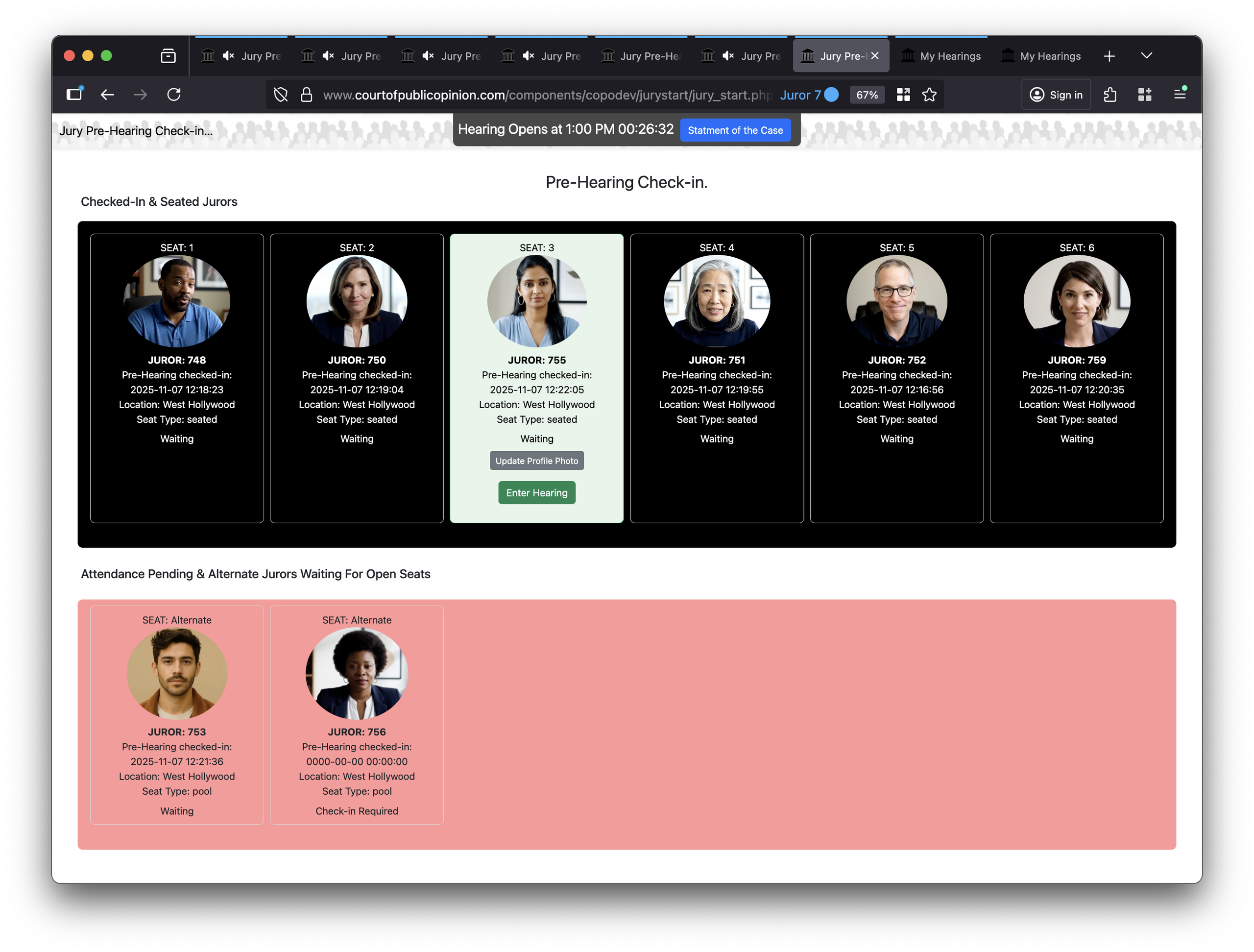
A focus group tells you what people think about your case. A mock jury tells you what people do with it under deliberation pressure. The deliberation dynamic is critical: jurors influence each other. A single skeptical juror with a coherent counter-narrative can shift an entire panel. Jury selection at CoPO is designed specifically to surface these dynamics early, so you know exactly what you are walking into.
Five Cognitive Biases That Influence Every Verdict
1. Confirmation Bias
Jurors interpret new evidence through the lens of their preexisting story. Once a juror forms an early impression of liability or innocence, contradictory evidence is minimized or discounted. Your litigation strategy must anticipate this and front-load your strongest narrative theme — not save it for closing.
2. Anchoring
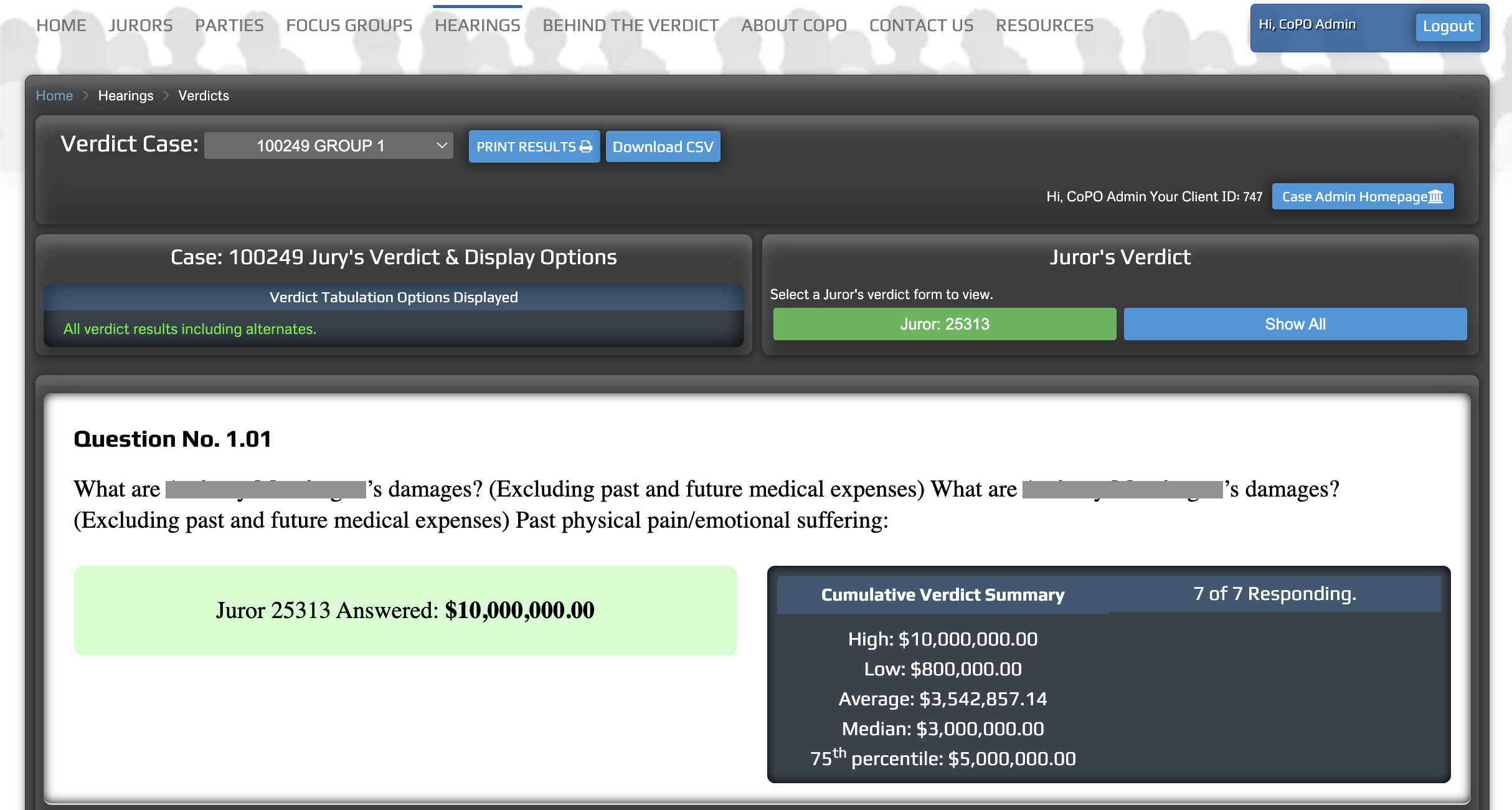
The first number, date, or damage figure a juror hears becomes the reference point for all subsequent evaluation. This is why opening statement anchor points and damage framing require case testing — not guesswork. Trial attorneys who test their anchors with mock jury testing panels consistently achieve better damages outcomes.
3. Halo and Horn Effects
Jurors extend their evaluation of a witness’s likability to their credibility. A well-prepared, personable witness who stumbles on one key detail fares better than a technically accurate but cold expert. Evidence, testimony, and argument testing during pre-trial simulations reveals which witnesses create halo effects and which create horn effects — and gives you time to prepare accordingly.
4. The Narrative Coherence Effect
Jurors favor verdicts that produce a complete, coherent story over verdicts that leave narrative gaps — even when the legally correct verdict requires tolerating ambiguity. Your trial strategy must close every narrative gap before deliberation begins. The verdict form preparation stage at CoPO is specifically designed to identify where jurors experience story gaps in your case.
5. Emotional Reasoning
Jurors are not purely rational actors. Research consistently shows that emotional response to the parties — not just the evidence — drives verdicts in close cases. Jury feedback from mock jury testing reveals which emotional themes resonate and which fall flat, giving you the intelligence to recalibrate your case narrative before trial.
How CoPO’s Mock Jury Testing Addresses These Biases
Court of Public Opinion’s platform provides litigation strategy intelligence at every stage of case preparation. From Voir Dire question testing to deliberation monitoring, our mock jury process exposes the exact cognitive and emotional dynamics your jury will bring into the courtroom.
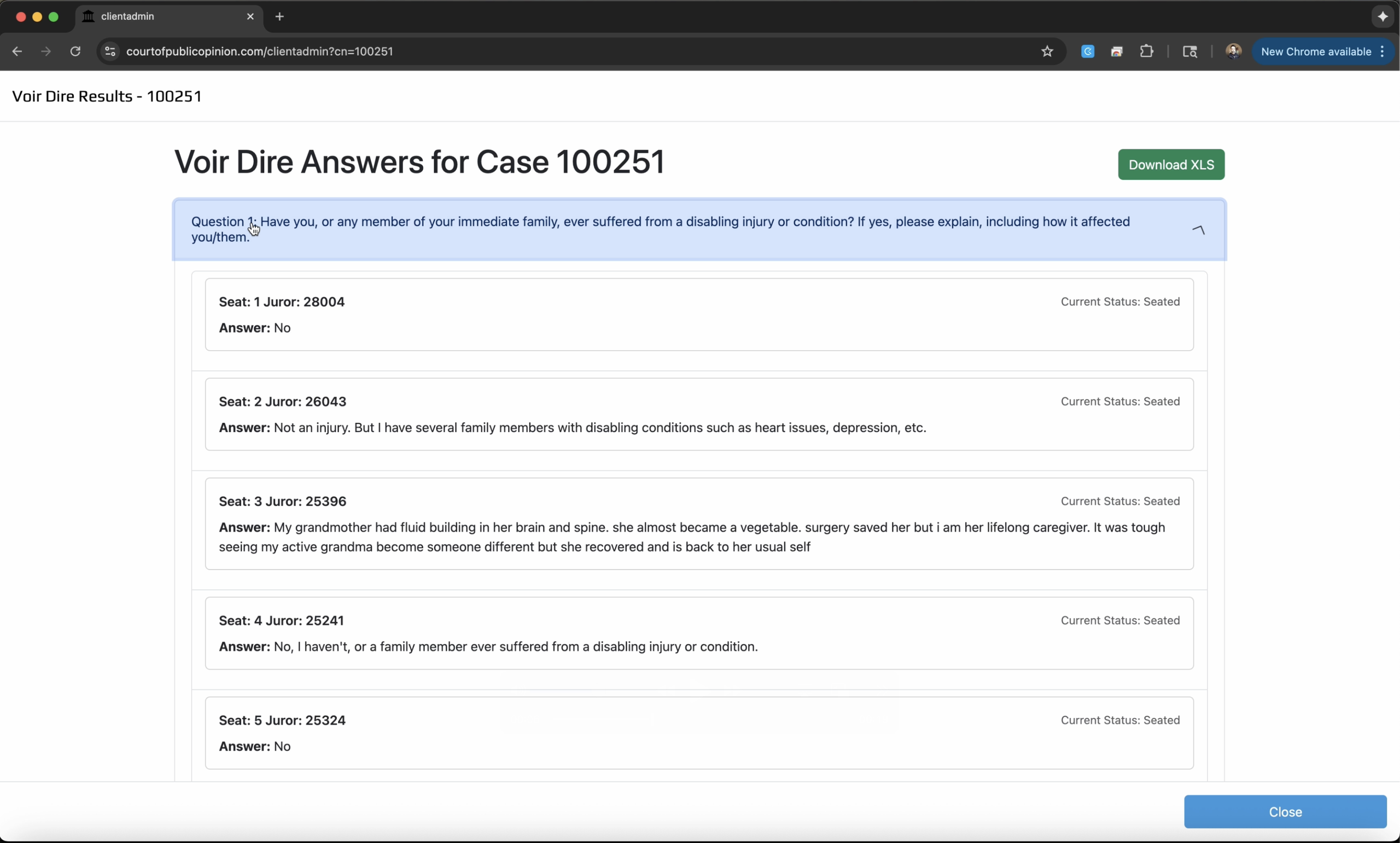
Unlike traditional jury consulting, our online platform enables attorneys to run mock jury testing at scale — testing multiple case themes with hundreds of panelists simultaneously — and receive behind-the-verdict analysis that maps exactly how different juror profiles reached their decisions.
If you have a high-stakes case heading to trial, do not guess at how your jury will decide. Test it first. Register as a client or schedule a hearing to discuss how pre-trial research can transform your case strategy.
Sources
- Pennington, N. & Hastie, R. (1992). Explaining the evidence: Tests of the Story Model for juror decision making. Journal of Personality and Social Psychology, 62(2), 189–206.
- Jury Analyst: Your Closing Argument Isn’t a Speech. It’s a Psychological Event.
- DOAR Trial Consulting: Trial Strategy Essentials
- Attorney at Law Magazine: Top Mock Trial Companies
- Courtroom Sciences: Fight Fire with Fire: A System for Litigation Success