
How Mock Jury Testing Shapes Litigation Outcomes Before You Step Into Court
Most verdicts are decided long before a jury ever enters the deliberation room. The real battle is fought during case preparation, where attorneys who test their theories, witnesses, and arguments against real juror feedback gain a decisive edge over those who walk in blind.
Mock jury testing is not a luxury reserved for mega-litigations. It is a strategic instrument that directly influences litigation outcomes at every stage, from early case valuation through settlement negotiations and final trial preparation. When used correctly, it gives trial attorneys a rare competitive advantage: knowing how a real jury will react before they have to find out the hard way.
What Mock Jury Testing Actually Does for Litigation
At its core, mock jury testing is structured pre-trial research. You assemble a representative group of mock jurors from the same locality as your expected venue, present them with your case themes, evidence, and witness testimony, and study how they respond. You observe their deliberations, track their verdict tendencies, and collect the kind of candid jury feedback that no amount of attorney intuition can replicate.
What separates effective mock jury research from a cursory informal exercise is the quality of the data it produces. Done well, it reveals:
- Which case themes resonate and which ones backfire
- Where jurors lose trust in a witness or feel a witness is overly coached
- Which damages arguments jurors find credible versus excessive
- How jurors interpret key evidence and legal instructions
- What emotional narratives drive deliberation more than logic
This is not anecdotal intelligence. It is actionable jury perception data that reshapes how attorneys frame their entire case before a single word is spoken in open court.
The Link Between Jury Testing and Litigation Outcomes
The most direct impact of pre-trial jury research is on settlement decisions. When an attorney understands how jurors are likely to view liability and damages, they can calibrate settlement positions with far more precision than those relying on gut instinct. Parties that go into mediation or settlement talks armed with mock jury data negotiate from a fundamentally different position.
Beyond settlement, mock jury testing shapes:
Trial Narrative Development
Jurors do not evaluate facts in a vacuum. They filter evidence through existing beliefs, life experience, and cognitive shortcuts. A strong opening statement built around themes that have been validated by real mock jurors is measurably more persuasive than one improvised from attorney instinct. Case testing before trial allows attorneys to identify the specific narrative frame that their jury pool will find most compelling.
Witness Preparation and Credibility
Witness credibility is often the deciding variable in close cases. Mock jury feedback reveals exactly how jurors perceive each witness: whether they come across as genuine or rehearsed, sympathetic or clinical, credible or evasive. Attorneys can use this data to refine direct examination, improve witness demeanor, or restructure the order and framing of testimony before trial day.
Voir Dire Strategy and Jury Selection
Understanding which juror profiles respond favorably or unfavorably to your case themes allows attorneys to approach voir dire with a targeted strategy rather than a generic questionnaire. Jury selection becomes a data-informed process, not a gamble.
Verdict Form Design
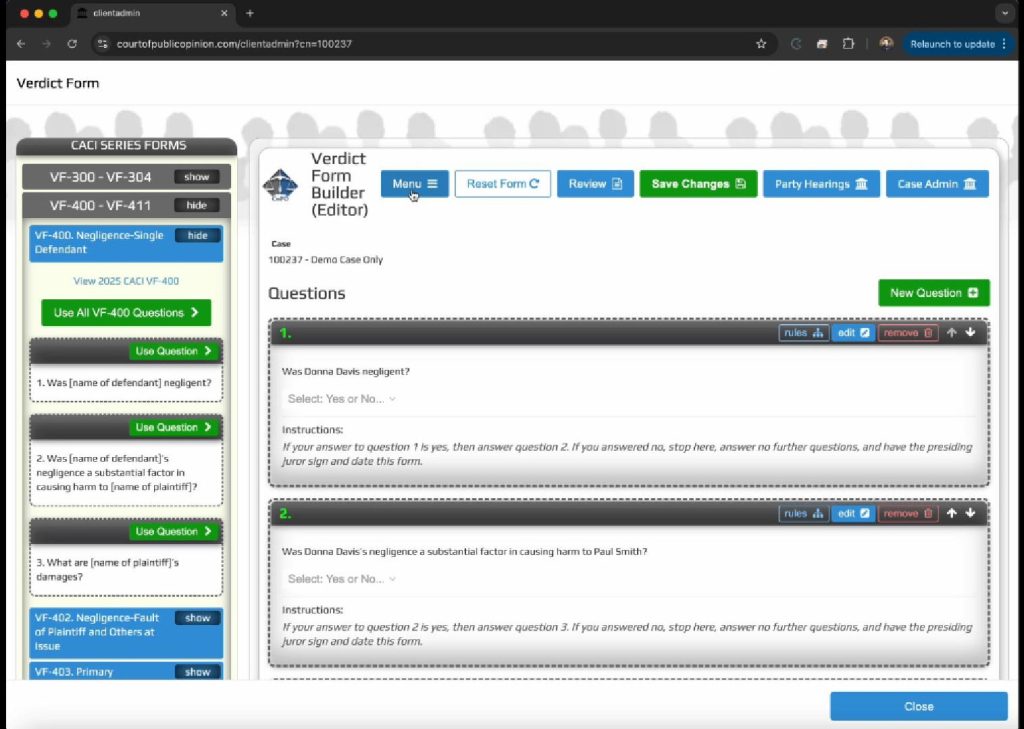
The language and sequencing of a verdict form can influence how jurors answer questions on damages, liability, and causation. Testing the verdict form language with mock jurors before trial ensures the questions lead jurors toward clarity rather than confusion, and that you fully understand how different phrasings affect outcomes.
Why Online Mock Jury Platforms Are Changing the Game
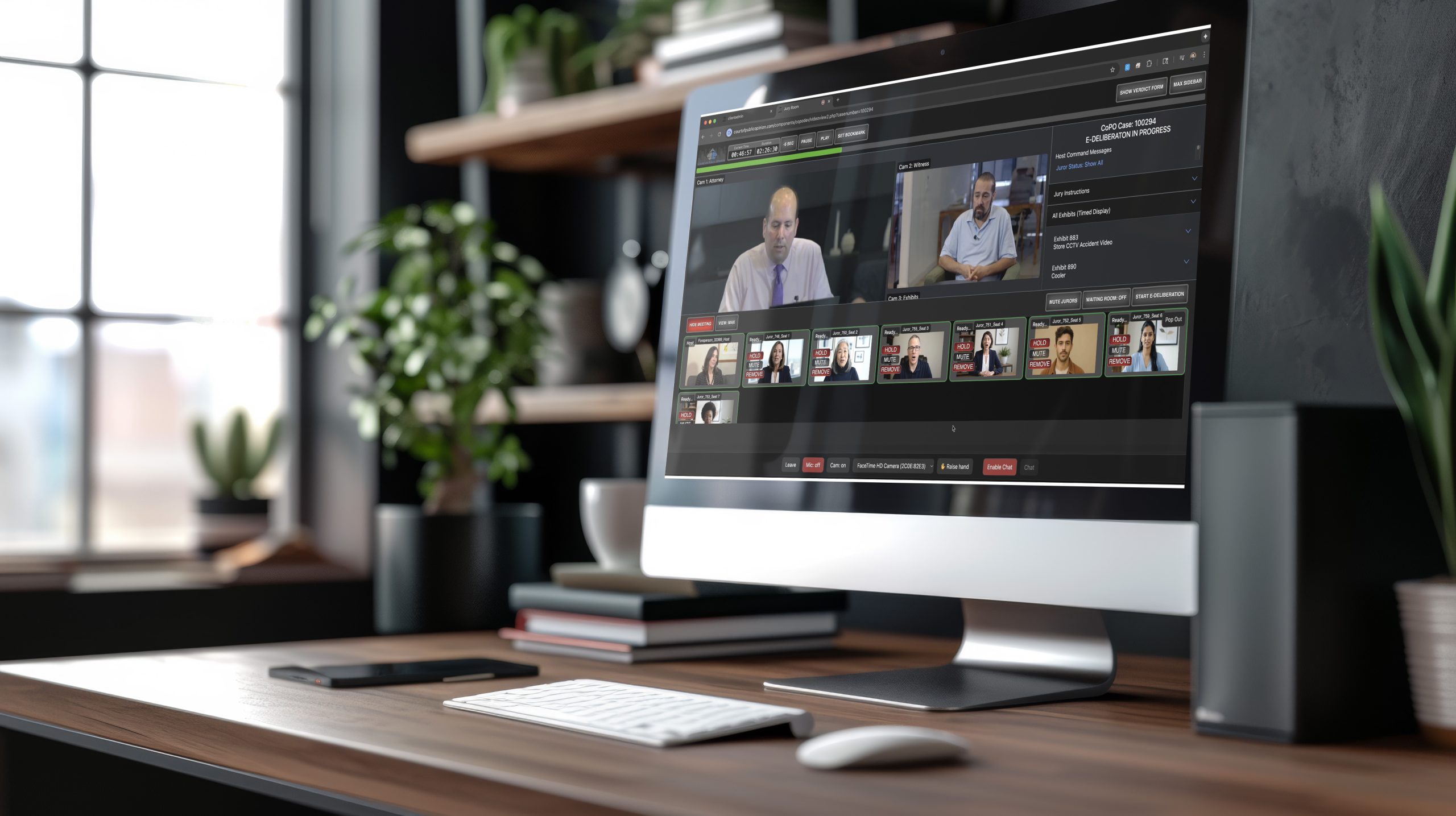
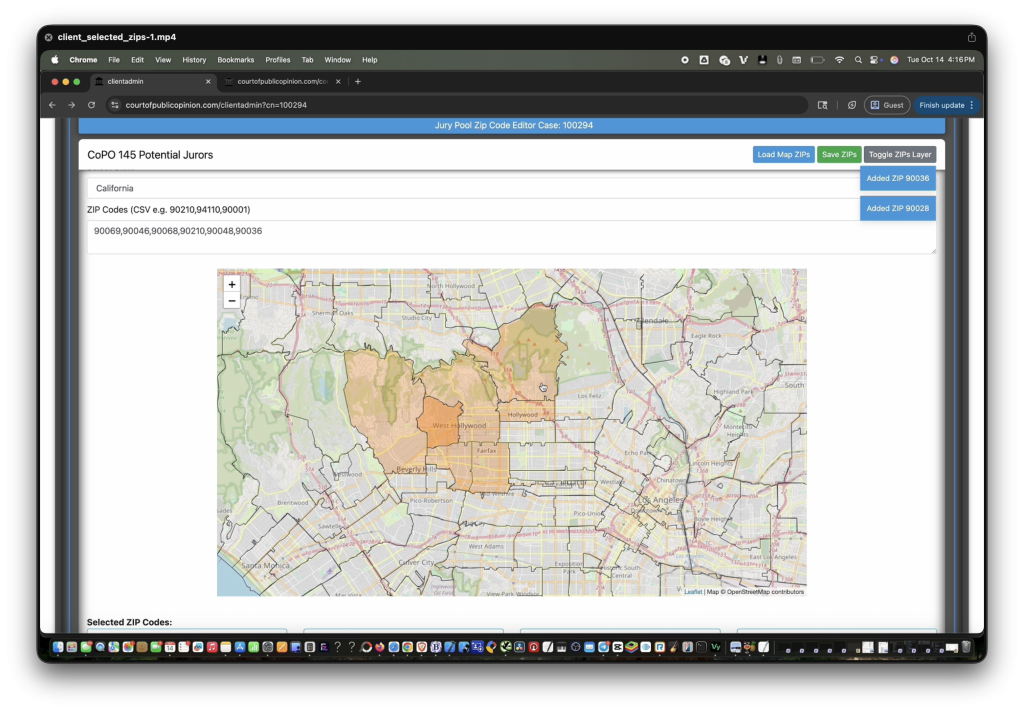
Traditional mock trial exercises were expensive, logistically complex, and accessible mainly to firms with substantial litigation budgets. Online platforms have changed that equation entirely. Tools like Court of Public Opinion (CoPO) allow attorneys to assemble geo-targeted jury focus groups from real registered jurors in specific localities, present case materials digitally, and receive structured jury feedback in a fraction of the time and cost of a physical mock trial.
What makes the online format particularly powerful is the analytical layer that follows deliberations. CoPO’s Behind the Verdict tools provide demographic breakdowns of verdict responses, post-hearing questionnaires, and a Rate My Case feature that lets you see not just what jurors decided, but why they decided it and how different demographic groups within your panel diverged.
You can also monitor juror deliberations in real time and observe how arguments get reinforced or dismantled as jurors talk through the evidence among themselves. That deliberation insight is something you simply cannot get from polls or focus groups alone.
When to Run Mock Jury Testing
The most effective litigation strategy treats mock jury testing as an iterative process rather than a one-time event. Consider testing at:
- Early case evaluation: Test your core theory of the case before discovery closes to identify fatal weaknesses while there is still time to address them.
- Pre-mediation or settlement conference: Validate your damages position with real juror data before walking into negotiations.
- Late-stage trial preparation: Stress-test your opening statement, key witnesses, and the evidence and argument presentation before trial begins.
- After significant case developments: New evidence, a key ruling, or a witness reversal can shift jury perception significantly. Re-testing ensures your strategy accounts for the new landscape.
The attorneys who get the most out of mock jury testing are those who treat it as intelligence gathering rather than a confidence-building exercise. The goal is not reassurance. It is honest feedback that makes you harder to beat.
Frequently Asked Questions About Mock Jury Testing
Does mock jury testing actually predict trial outcomes?
Mock jury testing is not a prediction tool, it is a risk assessment tool. It identifies vulnerabilities, reveals juror perceptions, and tests narrative effectiveness. Attorneys who use it consistently report more informed case decisions, better-calibrated settlement positions, and fewer surprises at trial.
How is online jury testing different from a traditional mock trial?
Online platforms like CoPO remove geographic and logistical barriers, reduce cost, and deliver structured feedback through a dedicated platform rather than a staged in-person exercise. They also allow for digital evidence and testimony presentation and jury instructions tailored to the specific issues being tested.
How do I get started with mock jury testing?
Register as a party with CoPO, then schedule a hearing with the case type, panel size, locality, and options that fit your case. CoPO’s team will contact you within 24 hours to walk through the next steps.
What cases benefit most from pre-trial jury research?
Any case with significant exposure benefits from pre-trial research. Personal injury, commercial litigation, employment disputes, product liability, and medical malpractice cases all involve complex jury perception dynamics that case testing can clarify. As a general rule: if the potential verdict swings wide, jury research is worth the investment.
The Bottom Line
Litigation outcomes are not solely determined by the quality of your evidence. They are shaped by how jurors perceive that evidence, how they respond to your witnesses, and whether your narrative lands the way you intend. Mock jury testing is the most direct tool attorneys have for measuring and improving those variables before trial day arrives.
The attorneys who use it consistently enter the courtroom better prepared, more strategically aligned, and far less likely to be blindsided by how a real jury actually thinks. That is a competitive advantage worth building into your litigation strategy from the start.
Ready to test your case? Register with CoPO or schedule a hearing today.
Sources
- How Mock Trials Accurately Predict Sentiment – Kat Legal
- Why Mock Trials Fail: The Better Approach for Jury Research – Courtroom Sciences
- Strategies for a Successful Mock Jury Trial – Naegeli Deposition & Trial
- Moneyball for Litigation: Predictive Case Preparation – Jury Analyst
- Selecting the Best Form of Jury Research for Your Case & Budget – Opveon
- The Mind of the Jury: Psychological Factors in Criminal Verdicts – The Defense Firm